
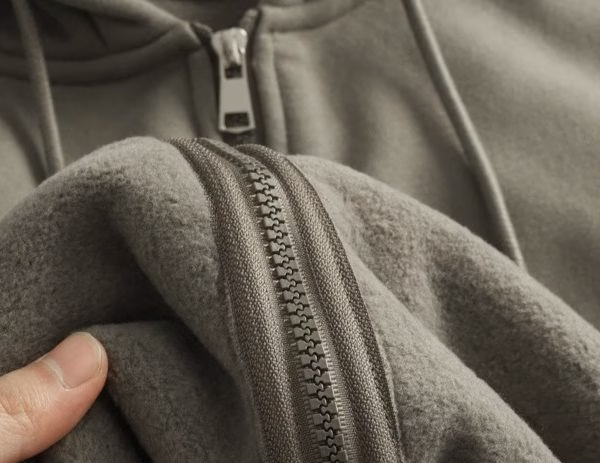
Choosing the right zipper can make or break a product. A zipper that fails in the field leads to returns, warranty claims, and damaged brand trust. This zipper buying guide walks B2B buyers—apparel brands, bag makers, and outdoor gear manufacturers—through the key decisions so you can source zippers that match your product’s function, budget, and market.
Why the Right Zipper Matters More Than You Think
A zipper is one of the few components a customer interacts with every single day. When it snags or breaks, the whole product feels cheap. On the other hand, a well-matched zipper disappears into the design and quietly does its job for years.
For buyers, the cost of a wrong choice shows up in three places: production delays, higher return rates, and rework. Getting the specification right before tooling saves far more than the small unit-price difference between grades.
The 5 Main Zipper Types You Should Know
Most B2B sourcing decisions start with material. Each zipper type below serves a different set of products.
Nylon Zippers
Nylon zippers use coiled nylon monofilament teeth, which makes them light, flexible, and resistant to abrasion. They are the default choice for apparel, lightweight bags, and soft goods where the zipper needs to curve with the fabric.
Metal Zippers
Metal zippers use brass, aluminum, or zinc teeth. They deliver a premium look and higher tensile strength, which is why they appear on jeans, leather goods, and heavy-duty bags. However, they cost more and can tarnish in humid or salty conditions without proper plating.
Resin (Molded Plastic) Zippers
Resin zippers feature molded plastic teeth, typically polyacetal. They resist corrosion better than metal and cost less than metal grades. As a result, they are popular for children’s wear, uniforms, and outdoor products where rust is a concern.
سحابات مقاومة للماء
Waterproof zippers use a polyurethane-laminated tape and a special slider seal to block water. They are essential for rainwear, dry bags, and technical outdoor gear. In addition, they usually require heat-sealing at the factory, so sourcing from an experienced manufacturer matters.
Invisible Zippers
Invisible zippers hide the teeth behind the tape, leaving only the slider visible. They are standard in women’s dresses, skirts, and formalwear where a clean seam line is critical.
How to Choose by Application
The fastest way to narrow your options is to start from the end product. The table below maps common applications to a recommended starting point.
| Product type | Recommended zipper | Why |
|---|---|---|
| Jackets and rainwear | Waterproof or nylon | Flexibility and weather resistance |
| Jeans and leather bags | Metal | Strength and premium finish |
| Everyday apparel | Nylon | Cost-effective and versatile |
| Children’s and workwear | Resin | Corrosion resistance, safer plating |
| Dresses and skirts | Invisible | Clean, hidden seam |
Zipper Sizes, Teeth, and Tape
Size is measured by the chain width in millimeters. A #3 zipper is about 3 mm wide and suits light garments; a #10 is heavy-duty for luggage and tents. Choosing the wrong size is a common sourcing mistake that weakens the closure.
Tape material also affects performance. Polyester tape holds color and resists shrinking better than cotton in wash-heavy products. Always confirm tape and teeth compatibility with your fabric weight.
Quality Control and Compliance: REACH and RoHS
If you sell into the EU or work with international brands, compliance is not optional. REACH regulates chemical substances in materials, while the RoHS Directive restricts hazardous substances in electrical and electronic applications.
A reliable zipper manufacturer should provide material declarations and, where required, third-party test reports. At our Qingyuan production base, every order passes multi-level internal QC, with optional third-party inspection available before shipment. We supply REACH- and RoHS-compliant zippers across all five categories.
Working with a Zipper Manufacturer
For custom products, you will likely need OEM or ODM support. A good partner helps with slider selection, puller design, and color matching rather than just filling a spec sheet.
When evaluating suppliers, ask for:
- Material and plating certifications
- Sample lead time and tooling cost
- Minimum order quantities per color or size
- On-time delivery history
Common Zipper Sourcing Mistakes to Avoid
Even experienced buyers slip up. Watch for these four traps:
- Choosing size by price alone instead of function.
- Ignoring tape-fabric compatibility, which causes puckering.
- Skipping pre-shipment inspection on first production runs.
- Overlooking compliance for the target market until customs rejects the shipment.
الأسئلة الشائعة
What is the most durable zipper type?
Metal zippers offer the highest tensile strength, but resin and nylon perform better in corrosive or wash-heavy environments.
Can I get custom zipper colors and pullers?
Yes. Most manufacturers offer custom tape colors, slider finishes, and branded pullers under OEM/ODM programs.
Are your zippers REACH compliant?
We supply REACH- and RoHS-compliant zippers and can provide material declarations on request.
Conclusion: Using This Zipper Buying Guide
Choosing the right zipper starts with the end product, then narrows down by material, size, and compliance needs. Use this zipper buying guide as a checklist during your next sourcing round, and involve your manufacturer early to avoid costly rework.
Evernice has supplied OEM and ODM zippers from our Qingyuan, Guangdong base since 2018. Contact our team for a quote or to request samples across nylon, metal, resin, waterproof, and invisible zippers.

