¿TIENES PREGUNTAS? ¡ESTAMOS LISTOS PARA RESPONDER!
Puedes enviar consultas para obtener cotizaciones gratuitas, planes y servicios exclusivos.
Le responderemos a todas sus preguntas dentro de las 24 horas.

The front fly zipper on pants is not merely a functional opening design, but a crucial component that affects wearing comfort, durability, and overall aesthetics. Choosing the right zipper can significantly extend the lifespan of your pants and enhance the wearing experience. This guide will provide you with a comprehensive understanding of how to select the ideal front fly zipper for your pants.
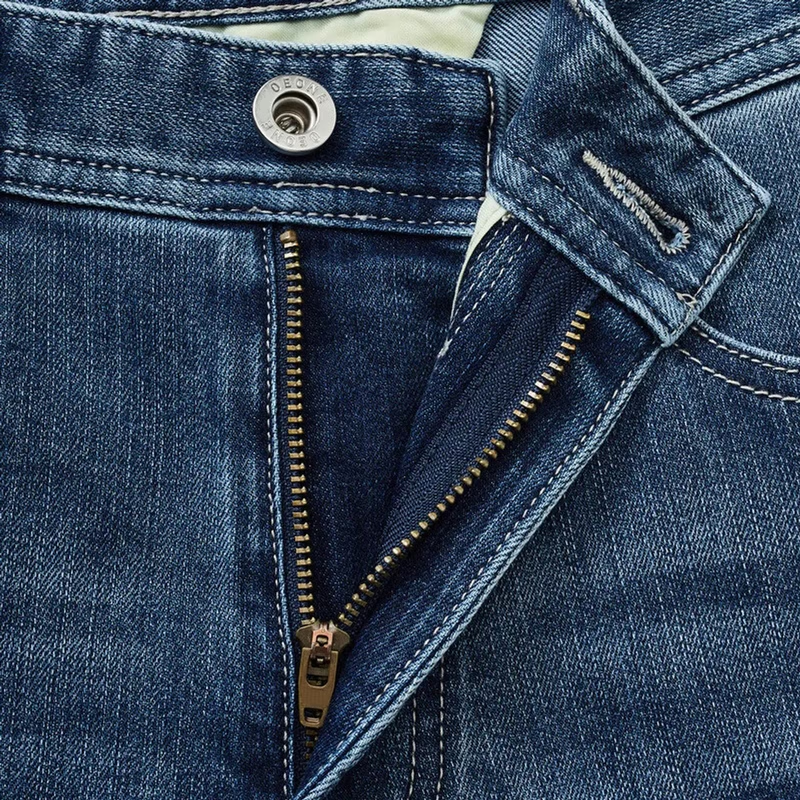
Choose Metal Zippers if: You’re purchasing jeans or work pants, appreciate vintage industrial style, need maximum durability, or the zipper itself is part of the design statement.
Choose Nylon Zippers if: you need formal trousers, prioritize discretion, value smooth and quiet operation, or require perfect integration with lightweight fabrics.
Jeans commonly employ copper-based metal zippers, valued for their high tensile strength and smooth operational feel. The metal zipper has evolved into an iconic design element of denim wear, celebrated for its industrial aesthetic and superior durability.
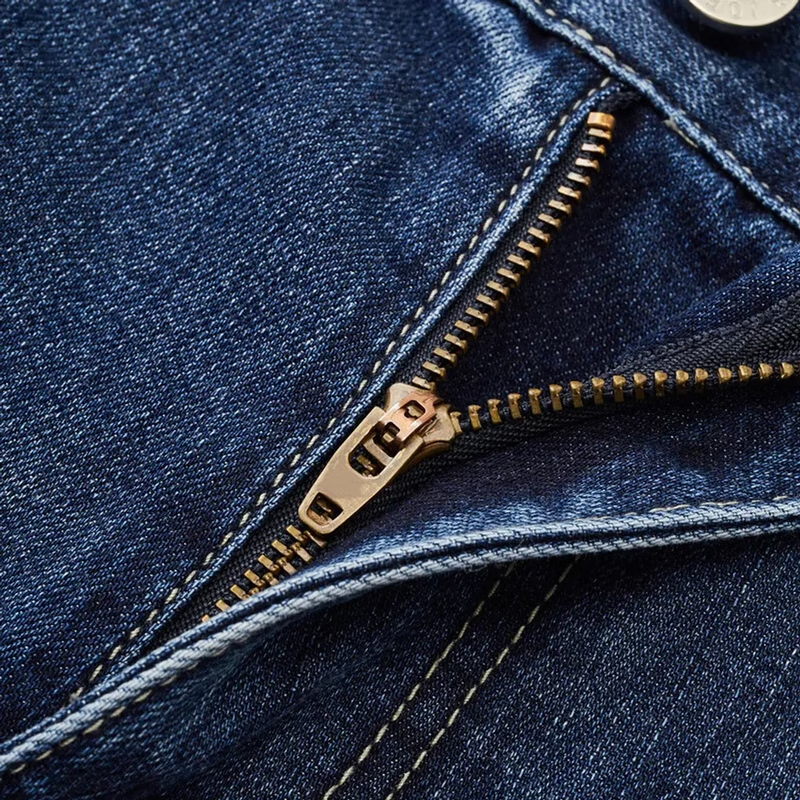
The pairing of metal zippers with denim jeans is a time-tested “perfect system”:
Functionally: It is an engineering solution that meets strength with strength.
Denim fabric weighing 10–16 ounces (or even heavier) is an exceptionally dense, tough, and minimally elastic material. When the wearer sits or squats, the fabric in the fly area undergoes significant lateral and longitudinal tension. The teeth of ordinary plastic or lightweight metal zippers can deform, crack, or derail under such sustained stress. In contrast, copper-based metal zippers feature robust teeth and a sturdy interlocking structure, with tensile strength sufficient to distribute and withstand these forces, ensuring the fly remains secure during movement—a fundamental requirement for safety and functionality.
Durability-wise: It possesses the ability to age in sync with denim and match its lifespan.
The iconic appearance of jeans—characterized by natural fading, creases (whiskers), and wear patterns—results from complex finishing processes. Whether through stone washing (using pumice stones for abrasion), enzyme washing (employing biological enzymes for aging), or bleaching, these treatments are corrosive and abrasive to hardware components.
Aesthetically: It provides contrast, texture, and evolves with time to gain character.
The coarse, twill-textured surface of denim contrasts with the glossy, cool, and precise feel of metal zippers, creating a classic aesthetic of “roughness versus refinement.” The metal zipper is the most immediate visual symbol of jeans’ rugged, workwear origins.
Culturally: It has become a core symbol of tradition, craftsmanship, and authenticity.
Over decades of development, this pairing has evolved from a purely practical solution into the “genetic code” of jeans as a cultural product. Subconsciously, consumers believe that a “true” pair of jeans should be equipped with a substantial metal zipper.
The reason this combination has remained unchanged for a century is precisely because it represents the optimal solution across every dimension. No zipper made from alternative materials—such as plastic or nylon—can simultaneously fulfill all these complex and profound requirements within this system. It is a prime example of a utilitarian industrial product elevated to the status of a cultural icon.
For dress pants and athletic wear, nylon zippers offer distinct advantages that align perfectly with these garments’ specific requirements.
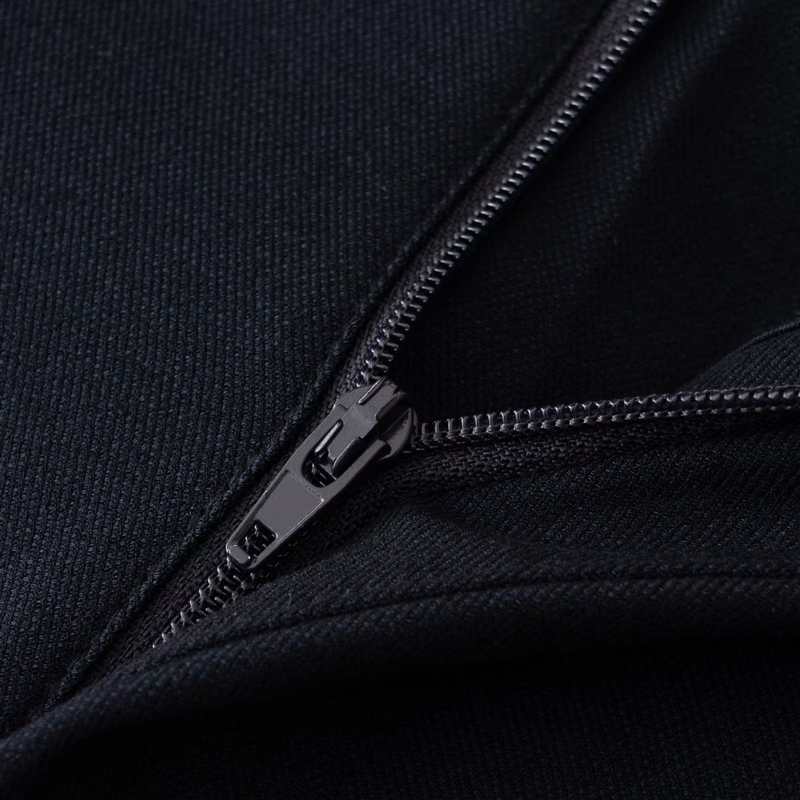
1. Smooth Operation
Nylon zippers deliver exceptionally smooth gliding with minimal resistance. The low-friction design of the nylon teeth ensures effortless opening and closing, even with one hand. This is particularly crucial for sportswear requiring quick wear and removal, as well as everyday garments where convenience is prioritized.
2. Cost Advantage
Nylon zippers offer significant cost benefits, with manufacturing expenses 30–50% lower than those of metal zippers. Their corrosion resistance and minimal maintenance requirements make them a highly cost-effective choice for dress pants and similar applications.
3. Compatibility with Lightweight and Elastic Fabrics
Nylon zippers (sizes #4.5–#5) provide a tensile strength of 400–600 newtons, well within the structural demands of dress pants and sportswear. With their lightweight, flexible, and low-profile characteristics, they integrate seamlessly into these fabrics without compromising drape, elasticity, or dynamic comfort.
| Fabric Type | Typical Weight | Flexibility Needs | Nylon Zipper Advantage |
|---|---|---|---|
| Dress Wool/Cotton | 6-10oz | Moderate drape | Seamless integration without bulk |
| Performance Polyester | 3-6oz | High stretch | Moves with fabric without restriction |
| Lightweight Nylon Blends | 2-5oz | Extreme flexibility | Maintains function in dynamic situations |
| Technical Knits | 4-8oz | Multi-directional stretch | Doesn’t impede movement or comfort |
Puedes enviar consultas para obtener cotizaciones gratuitas, planes y servicios exclusivos.
Le responderemos a todas sus preguntas dentro de las 24 horas.
Nos pondremos en contacto con usted en el plazo de 1 día laborable, preste atención al correo electrónico con el sufijo “@zipper-factory.com”.

